Your Curated Asia Adventure Awaits...

Best Small Towns in Japan Hidden Villages and Cultural Icons
Discover Japan’s best small towns—hidden villages and cultural icons where tradition thrives, adventure feels personal, and refined comfort awaits beyond Tokyo and Kyoto.
ADVENTURE
2/9/20264 min read
Share │
Beyond Tokyo and Kyoto, Japan’s small towns offer living tradition, personal adventure, and refined comfort — the essence of travel off the beaten path.
Japan is one of the world’s most rewarding destinations, yet many high-end travellers wrestle with the same concern: how to experience authentic Japan without crowds, confusion, or sacrificing comfort and connectivity—especially on a first visit.
The answer lies in Japan small towns. These destinations reveal Japan’s deeper rhythms: places shaped by samurai history, spiritual traditions, craftsmanship, and dramatic landscapes. Here, luxury adventure travel Japan excels through refined ryokan, private onsen, seasonal cuisine, and guided outdoor experiences that feel personal rather than packaged.
This guide explores the best seven small towns in Japan, blending cultural icons with those that remain under the radar. Each destination appeals to travellers seeking off-the-beaten-path Japan with high standards.
1. Takayama, Gifu Prefecture
Edo-era streets and alpine refinement
Takayama rose to prominence during the Edo period as a wealthy merchant town known for timber and master craftsmen. Its historic centre has been carefully preserved, making it one of the most atmospheric inner towns in rural Japan.
What to expect
Wooden merchant houses and sake breweries
Crisp mountain air and a relaxed pace
A strong sense of living tradition
Accommodation
High-end: Luxury ryokan Japan is famous for, featuring private onsen and kaiseki dining
Authentic: Family-run inns with traditional hospitality
Adventure & amenities
Hiking in the Japanese Alps
Cycling countryside villages
Reliable Wi-Fi and English-friendly services
Must-try local dish
Hida beef, prized for its marbling and flavour
2. Kanazawa, Ishikawa Prefecture
Samurai heritage with modern elegance
Kanazawa was once a powerful samurai stronghold ruled by the Maeda clan. It escaped wartime destruction, preserving its Edo-period districts and making it a standout for authentic Japan experiences.
What to expect
Preserved samurai and geisha districts
One of Japan’s most celebrated gardens
Strong cultural infrastructure with a refined feel
Accommodation
High-end: Boutique hotels Japan travellers favour for design and service
Authentic: Ryokan near historic neighbourhoods
Adventure & amenities
Cultural walking tours
Gold-leaf workshops
Excellent Wi-Fi and transport connections
Must-try local dish
Fresh seafood from Omicho Market, especially snow crab in season
3. Shirakawa-go, Gifu Prefecture
Mountain isolation and living heritage
A UNESCO World Heritage Site, Shirakawa-go is known for its gassho-zukuri farmhouses, designed to withstand heavy snowfall. For centuries, isolation preserved its communal lifestyle, making it one of the most distinctive hidden towns in Japan.
What to expect
Dramatic alpine scenery
Traditional rural life
A sense of stepping back in time
Accommodation
High-end: Upscale ryokan nearby with panoramic views
Authentic: Farmhouse homestays
Adventure & amenities
Snowshoeing in winter
Scenic hikes in warmer months
Limited but reliable Wi-Fi
Must-try local dish
Hoba miso, grilled vegetables and meat on magnolia leaves
4. Kiso Valley (Magome & Tsumago), Nagano
Walking through samurai history
The Kiso Valley once connected Kyoto and Edo via the Nakasendo Trail. Magome and Tsumago served as post towns for samurai and merchants and remain beautifully preserved examples of off-the-beaten-path Japan.
What to expect
Forested landscapes and stone paths
Deep historical immersion
Minimal modern intrusion
Accommodation
High-end: Traditional inns with refined comforts
Authentic: Minshuku hosted by local families
Adventure & amenities
Hiking the Nakasendo Trail
Forest bathing experiences
Wi-Fi available in accommodations
Must-try local dish
Gohei mochi, grilled rice cakes with walnut sauce
5. Ine, Kyoto Prefecture
A fishing village shaped by the sea
Description & brief history
Ine is famed for its funaya—boat houses built directly over the water. Generations of fishing families have lived here, preserving a rare maritime way of life.
What to expect
Waterfront village scenes
Gentle pace and sea air
Intimate cultural encounters
Accommodation
High-end: Renovated boathouse accommodations
Authentic: Fisherman-run guesthouses
Adventure & amenities
Sea kayaking
Boat tours along the bay
Good Wi-Fi in accommodations
Must-try local dish
Ultra-fresh sashimi, often caught the same day
6. Kurashiki, Okayama Prefecture
Canals, commerce, and quiet sophistication
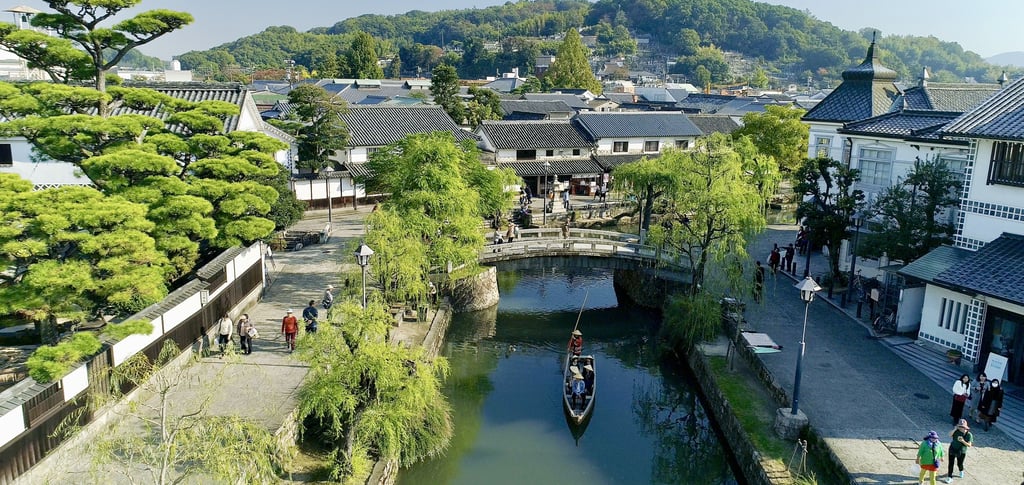
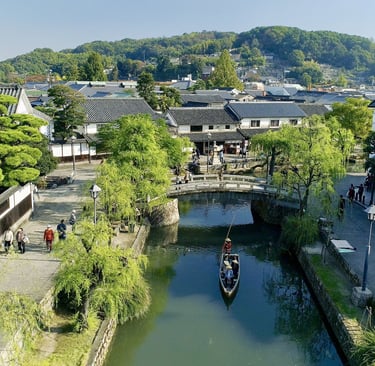
Kurashiki flourished as a rice distribution centre during the Edo period. Its white-walled warehouses and canals create one of the most charming inner towns for cultural travel Japan enthusiasts.
What to expect
Canal-lined streets
Art museums and refined cafés
Walkable, elegant charm
Accommodation
High-end: Boutique hotels Japan has adapted from heritage buildings
Authentic: Traditional inns
Adventure & amenities
Cycling the historic canal district
Museum and gallery visits
Excellent Wi-Fi
Must-try local dish
Barazushi, a regional scattered sushi
7. Ouchi-juku, Fukushima Prefecture
A thatched-roof village frozen in time
Description & brief history
Once a post town on the Aizu-Nishi Kaido route, Ouchi-juku preserves Edo-period thatched houses and traditional layouts, making it one of the most evocative hidden towns in Japan.
What to expect
Thatched-roof streets
Strong seasonal character
Deeply authentic rural atmosphere
Accommodation
High-end: Heritage ryokan nearby
Authentic: Farmhouse stays
Adventure & amenities
Snow-based travel in winter
Cultural interpretation walks
Limited but stable Wi-Fi
Must-try local dish
Negi soba, eaten using a green onion instead of chopsticks
Best Season to Visit
Each season offers unique experiences in Japan’s small towns:
Spring (March-May): Cherry blossoms transform many towns into pink wonderlands. Karuizawa, Tsuwano, and Kurashiki are particularly beautiful during this season.
Summer (June-August): Festival season brings traditional dances, music, and celebrations. Don’t miss the Gujo Odori in Gujo Hachiman or the Takayama Festival in July.
Autumn (September-November): Fall foliage creates spectacular scenery, especially in mountain towns like Takayama, Karuizawa and Kusatsu.
Winter (December-February): Snow-covered landscapes in Shirakawa-go, Ouchi-juku and Otaru offer magical winter scenes, especially during illumination events.
FREQUENTLY ASKED QUESTIONS
Q. Why are rural and inner towns ideal for luxury adventure travel in Japan?
A. Rural understanding of Japan comes from slower-paced towns that offer deeper cultural immersion, fewer crowds, adventure activities and personalised hospitality while maintaining exceptional comfort and service standards.
Q. Are Japan’s rural towns suitable for first-time travellers who want comfort?
A. Yes. Many rural and inner towns feature luxury ryokan, reliable transport links, English-friendly services, and excellent amenities, making them ideal for first-time visitors.
Q. How accessible are Japan’s inner towns from Tokyo or Osaka?
A. Most inner towns are accessible via Japan’s high-speed rail network combined with private transfers, short bus or taxi connections, allowing smooth and stress-free travel.
Q. Is Wi-Fi reliable in off-the-beaten-path Japan?
A. Wi-Fi is widely available in ryokan, boutique hotels, cafés, and public facilities, even in rural Japan, supporting connected yet immersive travel.
Q. What types of adventure experiences are available in rural Japan?
A. Travellers can enjoy hiking historic trails, alpine trekking, cycling countryside routes, sea kayaking, snow-based travel, and locally guided cultural activities.
Enhance your curiosity with our: Best Small Towns in China Cultural Icons to Hidden Gems
Stay closer to nature without sacrificing comfort—see Japan’s most exquisite luxury glamping retreats.
Japan small towns Rural towns in Japan Best small towns in Japan Traditional Japanese Villages
Cultural travel China Japan rural towns Best old towns Japan Remote Japanese villages Beautiful viilages in Japan