Why Indonesia’s Rainy Season Is Perfect for Diving
Discover why Indonesia’s rainy season is perfect for diving—uncrowded sites, nutrient-rich waters, and plankton blooms that attract spectacular marine life for rare underwater encounters.
DIVING
Share │
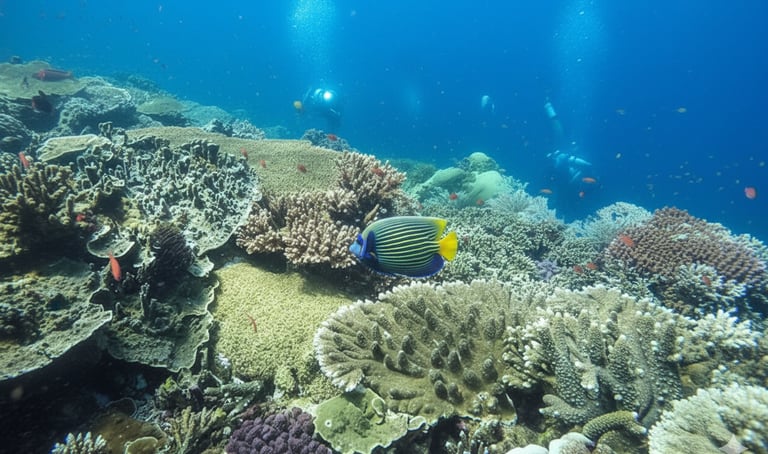
For most travellers, Indonesia's monsoon season—typically from November to March—is a time to avoid. The skies can open up for brief but intense tropical downpours, and the seas can be a little less predictable. But for the dedicated scuba diver, particularly those seeking rare encounters and uncrowded sites, this "off-season" is the golden ticket. The rains bring with them a surge of nutrients, kicking off plankton blooms that attract a spectacular gathering of marine life, turning certain regions into underwater havens.
This is your guide to a luxurious diving expedition during Indonesia's wet season, where the true treasures of the ocean reveal themselves.
Beyond the Sunshine: The Underwater Advantage
While a little rain may fall topside, underwater conditions can be ideal. The key is knowing where to go. The monsoon affects different parts of the archipelago in different ways, creating a dynamic calendar of marine events.
1. Komodo National Park: The Manta Ray Magnet
While Komodo is famous for its Komodo dragons, its underwater world is equally legendary. The dry season from April to October is known for its crystal-clear visibility and challenging currents, but the rainy season is when the real magic happens.
Why it's a monsoon highlight:
Manta Ray Aggregations: From November to April, the plankton blooms spurred by the monsoon turn sites like Manta Alley and Manta Point into a feeding frenzy for majestic manta rays. These graceful giants congregate in large numbers, offering a truly breathtaking spectacle.
Warmer Waters: The southern sites of Komodo, which are known for their cooler, nutrient-rich water, become warmer during the rainy season, attracting a host of marine life.
Fewer Crowds: The liveaboards and dive resorts are less crowded during this time, allowing for more intimate dive experiences. You’ll have pristine dive sites virtually to yourself.
Exclusive Tip: A luxury liveaboard is the ultimate way to explore Komodo during this season. It provides a stable and comfortable base, allowing you to access remote sites and follow the marine life wherever it gathers, all while enjoying five-star service and gourmet dining onboard.
2. Raja Ampat: Year-Round Biodiversity
Located near the equator, Raja Ampat’s climate is relatively stable year-round, but the "wet season" from May to September is a hidden gem for divers. While there might be occasional rain, the diving remains spectacular.
Why it's a consistent paradise:
Unmatched Biodiversity: Raja Ampat is the epicenter of the Coral Triangle, with the highest marine biodiversity on Earth.Its vibrant coral gardens and massive schools of fish are a constant no matter the season.
Unique Critters: The region is home to fascinating creatures like the endemic wobbegong and epaulette (walking) sharks, which can be seen year-round.
Smoother Sailing: For liveaboards, the central and northern regions of Raja Ampat offer excellent conditions, even when other areas might have wind or swell.
More Affordable & Serene: This is considered the low season, so you can often find better deals on luxury liveaboards and resorts, and the dive sites are far less crowded, offering a more serene and private experience.
Exclusive Tip: For the best experience, book a private charter on a luxury liveaboard. This allows you to tailor the itinerary to your preferences and conditions, focusing on pristine coral gardens and macro life while avoiding any potentially rougher spots.
3. Lembeh Strait: The Muck Diving Mecca
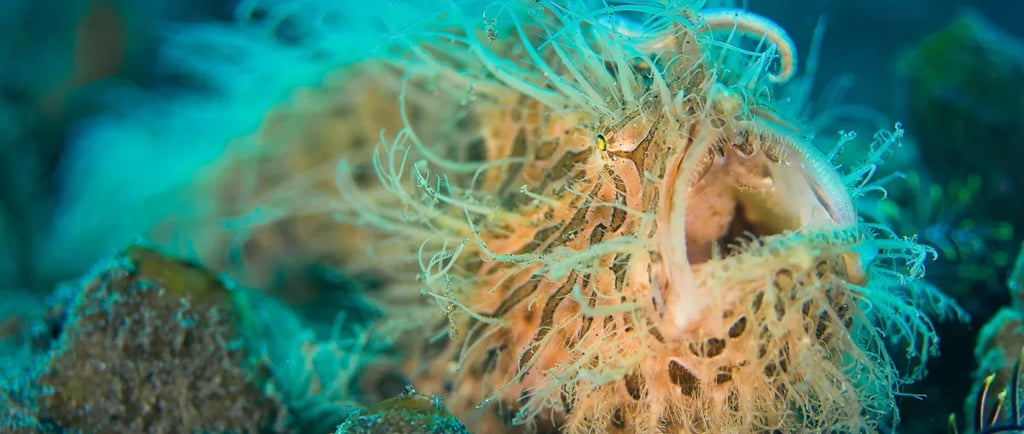
The Lembeh Strait in North Sulawesi is known as the "Muck Diving Capital of the World." This is a macro photographer's dream, famous for its rare and bizarre critters living on the volcanic black sand seabed. The great news? It's fantastic to dive here all year round.
Why the rainy season is a photographer's delight:
Unrivaled Critters: The visibility in Lembeh is never stellar due to the dark sand and rich nutrients, which is exactly what the critters love. The rainy season can even increase the nutrient flow, which means more bizarre and wonderful marine life to discover.
Consistent Conditions: Water temperature and conditions are stable throughout the year, meaning you can dive comfortably any time.
Focus on the Small Stuff: When visibility might be reduced at other sites, a dedicated Lembeh trip is all about a single, fantastic focus—finding the incredible, tiny creatures like the flamboyant cuttlefish, mimic octopus, and countless nudibranchs.
A 4-Day Itinerary Guide - Monsoon Diving in Komodo
This itinerary is designed for a certified diver who wants to experience the unique marine life of Komodo National Park during the exclusive manta ray season, all from the comfort of a high-end liveaboard.
Day 1: Arrival in Labuan Bajo & Liveaboard Boarding
Arrive at Komodo Airport (LBJ) in Labuan Bajo and be met by a representative from your luxury liveaboard. You will be transferred to the harbor to board your private or semi-private vessel. After a warm welcome, you’ll be shown to your luxurious suite. Settle in and enjoy a welcome lunch on deck as the boat sets sail for the protected waters of Komodo National Park. In the afternoon, your dive guides will lead you on your first check-out dive, getting you comfortable with your gear and the water. Enjoy a gourmet dinner under the stars as the boat anchors in a serene bay.
Day 2: The Manta Ray Aggregation
After a delicious breakfast, spend the entire day diving the famous Southern Komodo sites, with a focus on Manta Alley and Manta Point. This is your chance to witness massive congregations of oceanic and reef manta rays as they glide gracefully through the plankton-rich waters. Your guides will expertly position the group to ensure the best possible sightings. The day will be filled with exhilarating drift dives and stunning encounters. Between dives, enjoy a hot chocolate and snacks on the boat. In the evening, after a full day of diving, enjoy a celebratory dinner and share stories of the day's incredible sightings.
Day 3: Reefs and Dragons
After a morning dive at one of Komodo’s vibrant coral reefs, such as Batu Bolong, known for its incredible density of fish, you will disembark for a private guided trek on Rinca Island or Komodo Island. Your park ranger guide will lead you on a short hike in search of the legendary Komodo dragons, the world’s largest lizards. This land excursion provides a fascinating break from diving. In the afternoon, return to the water for a macro dive, searching for rare critters like frogfish and ghost pipefish. Enjoy a sunset cocktail on the deck as the boat sails back towards Labuan Bajo.
Day 4: Final Dive & Departure
Enjoy a final morning dive at a beautiful site near Labuan Bajo, such as Siaba Besar, famous for its turtles.16 After your dive, return to the liveaboard for breakfast and begin packing. You will disembark and be transferred back to Komodo Airport for your departure, carrying with you the indelible memory of a journey that proves the best adventures are often found in the most unexpected seasons.