
Bhutan Hiking - Day and Multi-Day Trekking Trails
Experience Bhutan’s hiking trails—whether day treks or multi-day journeys—where pine forests, rhododendron blooms, and cliffside monasteries create a profound blend of adventure, culture, and spirituality.
TREKKING
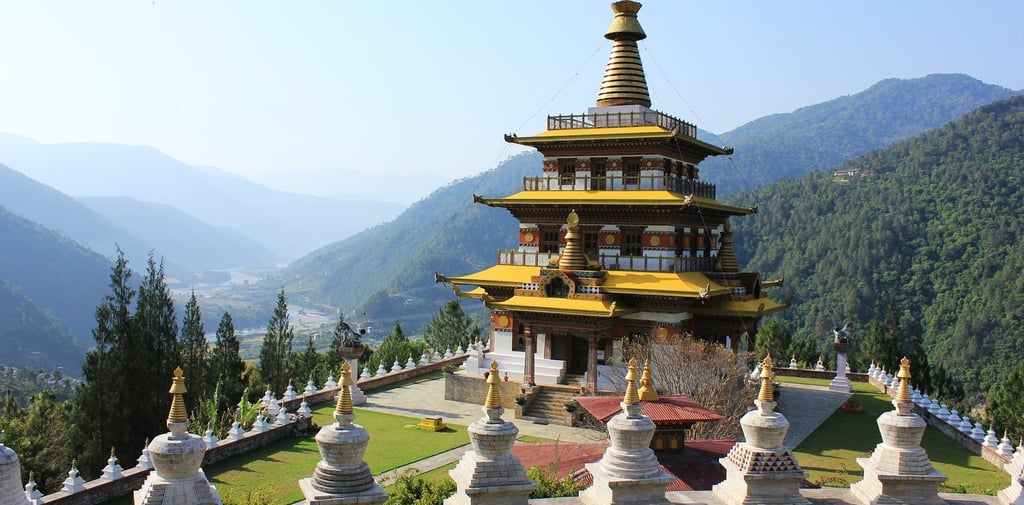
Bhutan’s commitment to high-value, low-impact tourism ensures the trails remain pristine, uncrowded, and deeply authentic. You won't just hike through mountains; you will journey through sacred forests (Ney), past ancient chortens, and into remote valleys where the semi-nomadic life remains unchanged by time.
From the scent of pine and rhododendron to the sight of colossal Dzongs (fortress monasteries) clinging to cliffs, hiking in Bhutan offers a profound spiritual and cultural immersion unmatched anywhere else in the world. It is an experience that transforms a physical challenge into an inner awakening. Hiking in Bhutan ranges from a few hours to multi-day hiking.
Part I: Beginner Friendly Hikes
For those looking to acclimatize, enjoy a day’s solitude, or simply integrate a rewarding physical challenge into their cultural tour, Bhutan offers exquisite day hikes that are as spiritual as they are scenic. These are largely beginner-friendly, requiring only a moderate level of general fitness.
1. The Khamsum Yulley Namgyal Chorten Hike (Punakha)
Duration: 1.5 – 2 hours round trip Difficulty: Easy
Highlights: Mo Chhu Suspension Bridge, Paddy Fields, Spectacular Chorten architecture.
This gentle, highly rewarding hike starts near the Punakha Valley and takes you across the magnificent suspension bridge spanning the Mo Chhu (Mother River). The trail winds through serene paddy fields before a gentle climb to the summit, where the majestic Khamsum Yulley Namgyal Chorten stands.
This chorten was consecrated to ward off negative forces and promote peace worldwide, offering a spectacular 360-degree view of the Punakha Valley from its rooftop. It’s the perfect introduction to the spiritual architecture that dots the Bhutanese landscape.
2. Dochula to Lungchutse Hike (Thimphu/Punakha)
Duration: 3 – 4 hours round trip Difficulty: Easy to Moderate
Highlights: Dochula Pass, 108 Druk Wangyal Chortens, Panoramic Himalayan Views, Lungchutse Lhakhang.
Starting from the iconic Dochula Pass (3,100m), famous for its 108 memorial chortens, this trail begins a gradual, well-marked ascent through pristine rhododendron and hemlock forest. The two-hour climb leads to the Lungchutse Lhakhang (3,560m), a small but significant temple and retreat center.
On a clear day, the view from this vantage point is arguably the best in Bhutan, offering a breathtaking panoramic vista of the country's highest peaks, including the sacred Mount Gangkar Puensum (Bhutan’s highest unclimbed peak).
3. The Tango Monastery Hike (Thimphu)
Duration: 2 hours (up) Difficulty: Easy to Moderate
Highlights: Tango Buddhist University, Prayer Flags, Juniper Forest.
A vital spiritual journey just north of Thimphu, the hike to Tango Monastery is a steady, non-steep ascent popular among monks and locals. The name "Tango" means "horse's head," referring to the monastery's shape. This site serves as the highest centre for Buddhist learning in Bhutan, where monks undergo intense training. The pathway is lined with prayer wheels and prayer flags, immersing you immediately in the spiritual practice of the Kingdom.
4. Gangtey to Longtey Village Hike (Phobjikha Valley)
Duration: 3 – 4 hours (one way) Difficulty: Moderate to Difficult
Highlights: Thou La Pass, Rhododendron forests, Phobjikha Valley views, traditional village life.
This hike, often used by yak herders, offers a stunning, authentic experience in the Phobjikha Valley, the winter home of the rare Black-Necked Crane. Beginning near Gangtey Monastery, the trail ascends through vibrant green meadows and dense dwarf rhododendron bushes, reaching the Thou La Pass (the highest point).
The descent into Longtey Village takes you through mixed forest, offering unique perspectives of the glacial valley and a glimpse into rural Bhutanese life. This trek requires good stamina due to the steep, sustained uphill climb.
Part II: Moderate Multi-Day Treks
These treks typically last 4-6 days, venturing into higher altitudes but remaining manageable for hikers with a good level of fitness and previous multi-day trekking experience. They are the ideal way to experience the high Himalayan passes and pristine alpine lakes without the full commitment of a month-long expedition.
5. Druk Path Trek
Duration: 5-6 Days Difficulty: Moderate Max Altitude: 4,200m
Fitness Status: Good general fitness, comfortable with camping and altitude gain
The Route: One of Bhutan’s most classic trails, the Druk Path connects the two major valleys of Paro and Thimphu. It follows an ancient trading route through high-altitude ridges, pristine alpine lakes, and dense rhododendron forests.
Highlights & Monasteries:
Phajoding Monastery: An important spiritual complex dramatically situated on a ridge above Thimphu, often an overnight stop or viewpoint.
Jimilangtsho Lake: A stunning high-altitude lake known for its giant trout.
Panoramic Views: Offers excellent views of Mount Gangkar Puensum and Mount Jumolhari from various high passes.
6. Dagala Thousand Lakes Trek
Duration: 5 – 8 Days Difficulty: Moderate Max Altitude: 4,300m
Fitness Status: Excellent stamina, comfortable with sustained periods above 4,000m.
The Route: Starting near Thimphu, this trek is a photographer’s dream, named for the spectacular collection of high-altitude glacial lakes (Tshonapata) it passes through. The trail features steep climbs and descents, crossing several ridges and offering incredible mountain views.
Highlights & Monasteries:
Alpine Lakes: A myriad of pristine, shimmering lakes reflecting the Himalayan peaks.
Talakha Goemba: A beautiful monastery near the trek's end, offering views of Thimphu Valley.
Herders' Camps: Opportunities to meet local yak herders and experience their traditional way of life in the high pastures.
7. Nabji-Korphu Trek (Eco-Trek)
Duration: 6 Days Difficulty: Easy to Moderate Max Altitude: 1,670m
Fitness Status: Suitable for beginners; low altitude, good for year-round.
The Route: As Bhutan’s first designated community-based eco-trek, this route in the Trongsa/Zhemgang region is famed for its bio-diversity. It is a lower-altitude route, making it manageable even during the colder or slightly warmer seasons.
Highlights & Culture:
Golden Langur Sightings: Excellent chances to spot the rare and endangered Golden Langur and Rufous-necked Hornbill in the subtropical forests.
Monpa People: The trek passes through the remote villages of Nabji and Korphu, offering unique interaction with the Monpa people, one of Bhutan's oldest communities.
Sacred Sites: The trail is dotted with holy sites linked to the great Buddhist saint, Guru Rinpoche, including imprints of his body, dagger, and hat.
Part III: Remote & Challenging Treks
These are the truly off-the-beaten-path adventures that test the limits of physical endurance and reward trekkers with access to Bhutan's most isolated communities and highest mountain scenery.
8. Merak Sakteng Trek (Eastern Bhutan)
Duration: 7 Days (Trek) Difficulty: Moderate Max Altitude: 4,153m (Nachungla Pass)
Fitness Status: Excellent fitness and a sense of adventure; comfortable with remote camping.
The Route: This is one of Bhutan’s newer routes, offering a journey into the eastern realm and the Sakteng Wildlife Sanctuary. It's renowned for being one of the most remote and untouched areas in the country.
Highlights & Culture:
The Brokpa Culture: The primary draw is meeting the semi-nomadic Brokpa people, yak herders with a unique culture, dialect, and distinctive traditional dress, including hats made of yak hair.
Eastern Landscapes: Traverse through pristine alpine meadows, cross the Nachungla Pass, and look out for wildlife like the Red Panda and Himalayan Black Bear.
9. Samtengang Winter Trek & Punakha Winter Trek
Duration: 3-4 Days (Trek) Difficulty: Easy/Moderate Max Altitude: 3,400m (Sinchula Pass)
Fitness Status: Suitable for beginners seeking a cooler climate trek.
The Route: These low-altitude treks operate during the colder months, following ancient trails that historically connected the western and central valleys. They are considered the best "starter" multi-day treks, especially the Punakha Winter Trek, which crosses the Sinchula Pass and connects Thimphu to the warmer Punakha Valley.
The Samtengang Trek features the historic village of Limbukha and Chungsakha, offering warm valley views. They are ideal for experiencing rural life without high-altitude camping.
10. The Snowman Trek
Duration: 20 – 30 Days Difficulty: Extreme: (World's Toughest) Max Altitude: 5,320m (Rinchen Zoe La)
Fitness Status: Exceptional endurance, prior high-altitude experience, strong mental resilience.
The Route: The ultimate Himalayan challenge, the Snowman Trek traverses the remote Lunana region in northern Bhutan. It crosses eleven high-mountain passes, five of which exceed 5,000 meters, making it one of the most difficult and remote treks in the world.
Highlights & Challenge:
Profound Isolation: Trek into the "Land of the Yeti," a region with no roads and minimal communication, requiring total self-sufficiency.
Lunana & Laya: Encounter the unique, semi-nomadic cultures of the Laya and Lunana communities, who live in absolute harmony with this harsh environment.
Unparalleled Scenery: Witness towering, untouched peaks, massive glaciers, and pristine, glacier-carved valleys that few outsiders ever see. Success hinges on a narrow 2-3 week weather window in late September/early October.
The Role of Monasteries and Sacred Sites
Nearly every trail leads to or past a Dzong, Lhakhang (temple), or Goemba (monastery). These are not just landmarks; they are the living, breathing centers of Bhutanese life.
Pilgrimage: Many hiking trails are ancient pilgrimage routes. Walking them is to trace the footsteps of Buddhist saints like Guru Rinpoche.
Dzongs: These magnificent fortress-monasteries, like the ones at the beginning of the Druk Path or Punakha, serve as a center for both the civil administration and the monastic body, symbolizing the unity of church and state.
The Prayer Landscape: The rhythmic flapping of prayer flags transfers the slogans written on them to the wind, spreading good fortune across the valleys. Spinning a prayer wheel or lighting a butter lamp at a monastery is an integral part of the trekking experience, grounding the physical journey in appreciation and compassion.
When a Bhutanese guide tells you a mountain is sacred, it means the mountain is conserved, respected, and often unclimbed—a testament to the preservation ethic.
Essential Bhutan Hiking Packing List
Bhutan is a land of layers, where you can experience all four seasons in a single day. The maximum luggage weight for the pack animals (yaks/horses) on a trek is generally limited, so pack strategically.
Clothing (Layering is Key): Thermal base layers (top and bottom), moisture-wicking trekking shirts, waterproof and windproof outer shell jacket/trousers, warm fleece or down jacket (essential for evenings and high passes).
Footwear: Broken-in, waterproof hiking boots (mid-to-high cut recommended), comfortable camp shoes/sandals, multiple pairs of wool or synthetic trekking socks.
Gear: 30–40L daypack, sleeping bag (rated for high-altitude), trekking poles (highly recommended for stability), water purification tablets/filter bottle.
Essentials: Headlamp/torch (power outages are common), high-SPF sunscreen and lip balm, personal first aid/medical kit (including blister treatment), sunglasses (essential for high altitude glare), light rain gear.
Many trekking routes in Bhutan climb well above 3,000 meters, and the risk of altitude sickness increases with elevation. Symptoms may include: headache, nausea, dizziness, loss of appetite and fatigue.
Start training 6–8 weeks before departure. Do long walks or hikes with elevation gain. Carry a daypack on practice hikes and add cardio (cycling, swimming, jogging) to boost stamina
Best Seasons for Trekking in Bhutan
Season & Months
Spring March – May
Expectation
Clear skies, moderate temperatures, spectacular rhododendron blooms. Occasional light rain.
Recommended Treks
Druk Path, Dagala, Chele La, (Day Hikes).
Autumn (Best) September – November
Expectation
Crystal-clear views of the Himalayas, stable weather, ideal temperatures. The peak trekking season.
Recommended Treks
Snowman (Late Sept/Oct), Druk Path, Merak Sakteng.
Winter December – February
Expectation
Cold but dry weather, extremely clear skies. Low-altitude trails are excellent. High passes are closed.
Recommended Treks
Nabji-Korphu, Punakha Winter, Samtengang Winter.
Monsoon June - August
Expectation
Heavy rains, humid, leeches, cloud cover obscures mountain views. Roads can be affected.
Recommended Treks
Not recommended for high-altitude trekking.
Craving more adrenaline? See why Bhutan is fast becoming Asia’s most exclusive high-altitude mountain biking destination.
Elevate your trek with rare cultural access—learn how Bhutan’s private festival experiences transform a hiking trip into something extraordinary.
FREQUENTLY ASKED QUESTIONS
"What is the best time of year to go trekking in Bhutan?"
Answer: The best time for trekking in Bhutan is during Autumn (September to November) for clear skies and views, and Spring (March to May) for moderate temperatures and rhododendron blooms.
Q: "What are the most challenging hikes in Bhutan?"
Answer: The most challenging hike is the Snowman Trek (20-30 days), which is considered one of the world's toughest high-altitude treks, crossing eleven high passes in the remote Lunana region.
Q: "Is the Dagala Thousand Lakes Trek suitable for intermediate hikers?"
Answer: Yes, the Dagala Thousand Lakes Trek (5-8 days) is rated as moderate and is suitable for intermediate hikers with good stamina, as it involves sustained periods above 4,000 meters.
Q: "Where can I see the traditional Monpa people while hiking in Bhutan?"
Answer: The Nabji-Korphu Eco-Trek in the Trongsa/Zhemgang region is the best trail to interact with the Monpa people, one of Bhutan's oldest cultural communities.
Q: "Do I need special permits for trekking to Merak Sakteng?"
Answer: The Merak Sakteng Trek is in a restricted area of Eastern Bhutan and requires special permits, which are arranged by your licensed Bhutanese tour operator.
Bhutan Hiking Off-the-Beaten-Path Treks Bhutan Bhutan Adventure Travel Tiger Nest Bhutan Hike
Bhutan Cultural Trekking Snowman Trek Challenge Nabji-Korphu Eco-Trek Bhutan Day Hikes
Beginner friendly multi-day treks Bhutan Bhutan trekking season Best off-the-beaten-path hiking trails in Bhutan
Druk Path Trek Jomolhari Gasa Trek Merak Sakteng Trek
Bhutan Hiking Tours Treks in Bhutan Bhutan Hiking Trips
Luxury trekking tours in the Himalayas with private guides